
"milder Arabica"
300 article(s) found

The basic knowledge of a coffee apprentice. Ten little things about coffee.
Professional coffee knowledge exchange more coffee bean information please follow the coffee workshop (Wechat official account cafe_style) 1. Are coffee beans "beans"? Coffee beans are not beans. They are baked from the seeds of coffee trees. Coffee is an evergreen shrub of the genus Coffea of Rubiaceae. There are about 70 species of coffee, but only three of the most important commercial crops are Arabica and Congo.

Coffee in South America
[Colombia] is the world's second-largest coffee producer, accounting for about 12% of the world's annual production, although much lower than the 30 to 35% of Brazil, most of which are high-quality alpine washed beans. Central Colombia is divided into several valleys by three north-south vertical mountains, of which the central and eastern mountains are the main coffee producing areas. Coffee here is named after the market of distribution,

How to drink Tanzanian Moshi coffee beans-introduction of three major coffee producing areas of Tanzanian coffee varieties
Professional coffee knowledge exchange more coffee bean information please follow the coffee workshop (Wechat official account cafe_style) Tanzania coffee beans Source: in 1898, bourbon coffee was introduced by Catholic priests to the Kilimanjaro region of Tanzania. Then the Kent species was introduced in 1920. So, so far, coffee in Tanzania is also Ebourbon and Kent.

Grading, price, raw bean and baking curve of single bean at Diamond Hill Manor in Costa Rica
The exchange of professional baristas please follow the coffee workshop (Wechat official account cafe_style) Costa Rica Diamond Hill Manor single bean classification, price, raw beans and baking curve Costa Rica Costa Rican population: 4586000 in the past, Costa Rica has successfully sold its coffee according to the name of the region where it is produced. However, tastes vary from region to region, so this is not true.

Coffee History of South America
[Colombia] is the world's second-largest coffee producer, accounting for about 12% of the world's annual production, although much lower than the 30 to 35% of Brazil, most of which are high-quality alpine washed beans. Central Colombia is divided into several valleys by three north-south vertical mountains, of which the central and eastern mountains are the main coffee producing areas. Coffee here is named after the market of distribution,

What is the price of Robusta's coffee beans? where can I find high-quality Robusta coffee beans?
Professional baristas please pay attention to the coffee workshop (Wechat official account cafe_style) the ideal Italian Espresso formula is very low acidity, high alcohol thickness, and has a rich, velvety, thick reddish brown Crema containing the aroma and flavor of coffee. Crema is the only important indicator of complete Espresso. Basically, it must master coffee strength.

Costa Rica Milasu Garden Rose Summer Strawberry Sugar hand-made Flavor characteristics Honey treatment of Rose Summer Coffee Bean Story
Professional coffee knowledge exchange more coffee bean information please follow the coffee workshop (Wechat official account cafe_style) Milasu Manor Costaricamirazudcafetal in Costa Rica is a doctor of agriculture who is very good at processing and post-processing, and later completed his own
History of Coffee in South America
[Colombia] is the world's second-largest coffee producer, accounting for about 12% of the world's annual output, which is much lower than Brazil's 30% to 35%, but most of them are high-quality mountain-washed beans. Central Colombia is divided into valleys by three north-south longitudinal mountains, of which the central and eastern mountains are the main coffee producing areas. The coffee here is named after the distributed market

FAQ certification-the flavor characteristics and treatment of AA coffee beans in Dogilimanjaro, Tanzania? Tan
Professional coffee knowledge exchange more coffee bean information please follow the coffee workshop (Wechat official account cafe_style) FAQ certification-Tanzania multi-door Kilimanjaro AA coffee beans flavor characteristics and treatment? How to process raw beans in Tanzania? Kilimanjaro coffee is grown on the volcanic slope, the highest peak in northeastern Tanzania, the African continent, showing a distinct flavor.

The origin and development of Tanzania's finest coffee beans
Tanzania is also often compared to its neighbour kenya. It is said that Tanzania's earliest Arabica coffee was introduced from Kenya by Christians and is similar to Kenya in flavor characteristics. Grapefruit aromas and soft, bright acidity. However, since Tanzania's economic conditions are worse than Kenya's, production conditions are poorer. Tanzania for quality

Does Tanzania's single bean taste good? the planting and processing of Tanzania's single bean
For the exchange of professional baristas, please follow the Coffee Workshop (Wechat cafe_style) Tanzania Tansania population: 44929000 Tansania produces a reasonable amount of Robbot beans, concentrated in the northwest, around Lake Victoria. The rest of the area uses the nature of high altitude to grow coffee beans. KILIMANJARO this area grows Arabica for Tansania.

Basic knowledge of Fine Coffee in South America
[Colombia] is the world's second-largest coffee producer, accounting for about 12% of the world's annual output, which is much lower than Brazil's 30% to 35%, but most of them are high-quality mountain-washed beans. Central Colombia is divided into valleys by three north-south longitudinal mountains, of which the central and eastern mountains are the main coffee producing areas. The coffee here is named after the distributed market
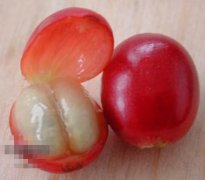
South American coffee history boutique coffee bean species
[Colombia] is the world's second-largest coffee producer, accounting for about 12% of the world's annual output, which is much lower than Brazil's 30% to 35%, but most of them are high-quality mountain-washed beans. Central Colombia is divided into valleys by three north-south longitudinal mountains, of which the central and eastern mountains are the main coffee producing areas. The coffee here is named after the distributed market
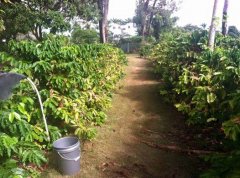
Costa Rica once banned the cultivation of robusta coffee and now dominates the world with honey-treated coffee.
Professional coffee knowledge exchange more coffee bean information please follow the coffee workshop (Wechat official account cafe_style) [Coffee producing trip] Costa Rican coffee once banned the cultivation of Robusta, now the Costa Rican coffee industry began to develop very early in the Costa Rican forest with honey, and coffee was shipped to Colombia and Chile in 1820.

The Cultural History of Coffee in South America
[Colombia] is the world's second-largest coffee producer, accounting for about 12% of the world's annual output, which is much lower than Brazil's 30% to 35%, but most of them are high-quality mountain-washed beans. Central Colombia is divided into valleys by three north-south longitudinal mountains, of which the central and eastern mountains are the main coffee producing areas. The coffee here is named after the distributed market

Introduction to the Distribution of Costa Rican Coffee Flavor production area _ what is passion honey treated coffee?
Professional coffee knowledge exchange more coffee bean information please follow the coffee workshop (Wechat official account cafe_style) Costa Rican coffee industry began to develop very early, in 1820 coffee was shipped to Colombia and Chile, and in 1845, with the assistance of the captain of the British merchant ship monarch, a hundred pounds of coffee was transported to London, which was called by the British aristocracy from Costa Rica.
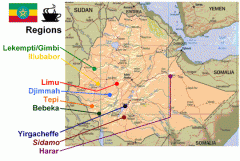
Lim wash G2 | unusual Ethiopian coffee
Professional coffee knowledge exchange more coffee bean information please follow the coffee workshop (Wechat official account cafe_style) Ethiopia Ethiopia G2 washed Ethiopia Washed Limu G2 country: Ethiopia (Ethiopia) production area: Limu (native species) producer: Heirloom (native species) producer: Limu production area local coffee is small
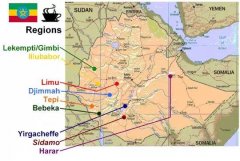
-unusual Ethiopian coffee.-what is Lim?
Professional coffee knowledge exchange more coffee bean information please follow the coffee workshop (Wechat official account cafe_style) Ethiopia Ethiopia G2 washed Ethiopia Washed Limu G2 country: Ethiopia (Ethiopia) production area: Limu (native species) producer: Heirloom (native species) producer: Limu production area local coffee is small